Path Dependence
POLS 3220: How to Predict the Future
Warmup
Consider the following scenario:
Two basically-identical products hit the market.
At first, two people own Yeti and one person owns a Stanley.
New costumers are more likely to buy popular cups (positive feedback).
Assume that every time a new person wants to buy a cup, they choose a person at random and buy whatever cup they own.
If we let this process play out, what percent of people do you think will own a Yeti in equilibrium?

Warmup

Path Dependence
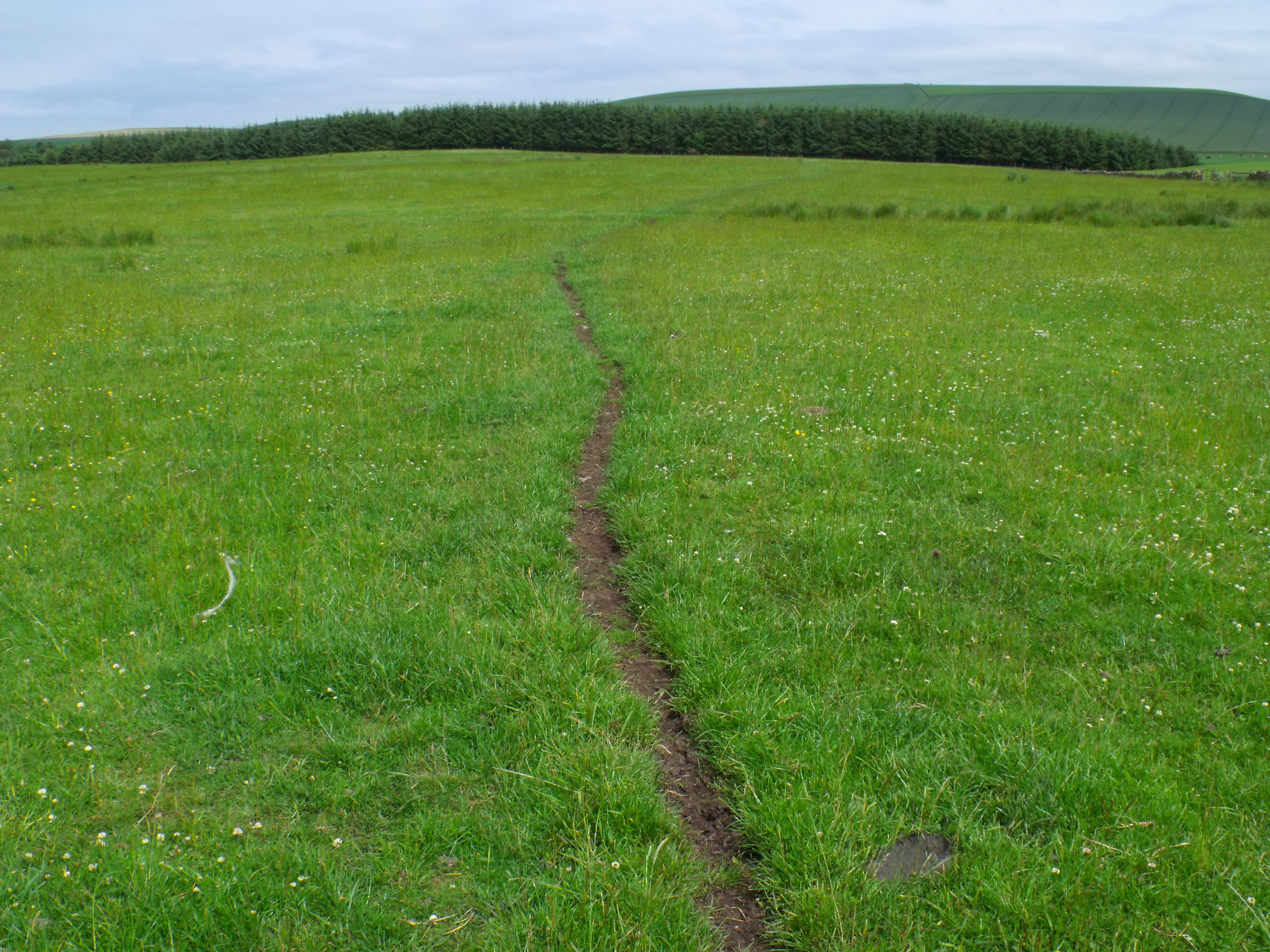
Metaphor: Cow Paths
Why is there a path there?
- Because that’s where the cows walk.
Why do the cows walk there?
- Because that’s where the path is!
There’s no “deep” reason why the cow path formed in that particular spot.
Just a somewhat random set of choices the cows made early on that got reinforced over time.
Examples of path dependence
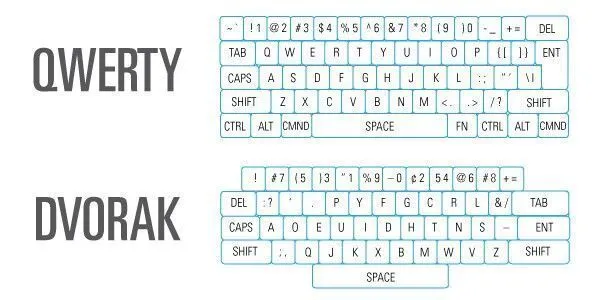
Examples of path dependence
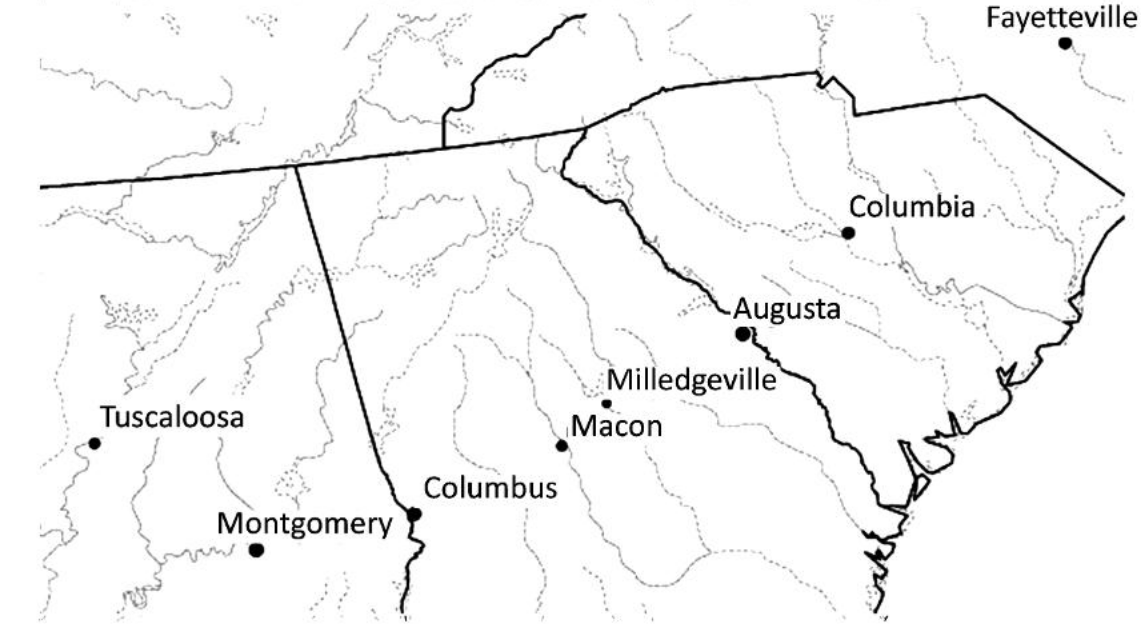
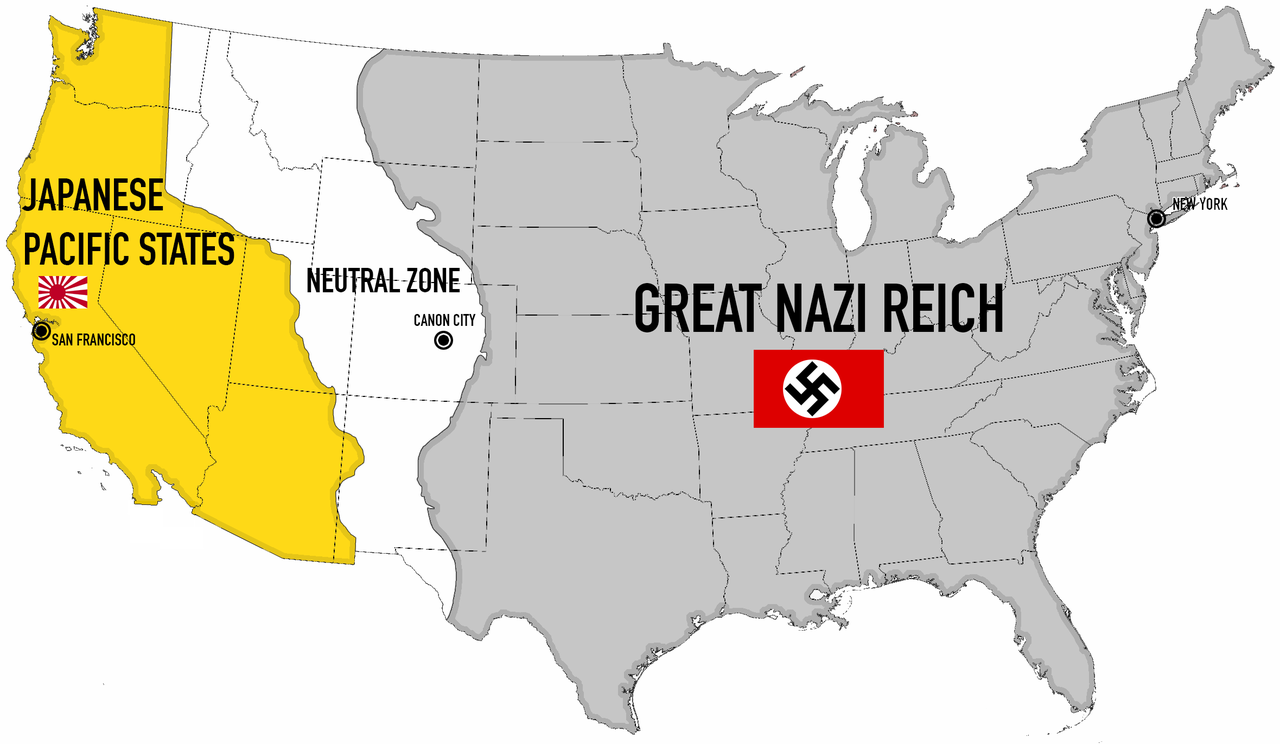
What If?
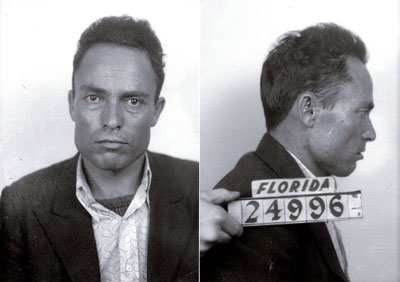
If outcomes are path dependent, then some points in time have a disproportionate impact on how history will unfold.
Social scientists call these points critical junctures.
Critical junctures are a staple of the alternative history genre: identifying key points in time where, if one small thing changed, it would create an entirely new timeline.
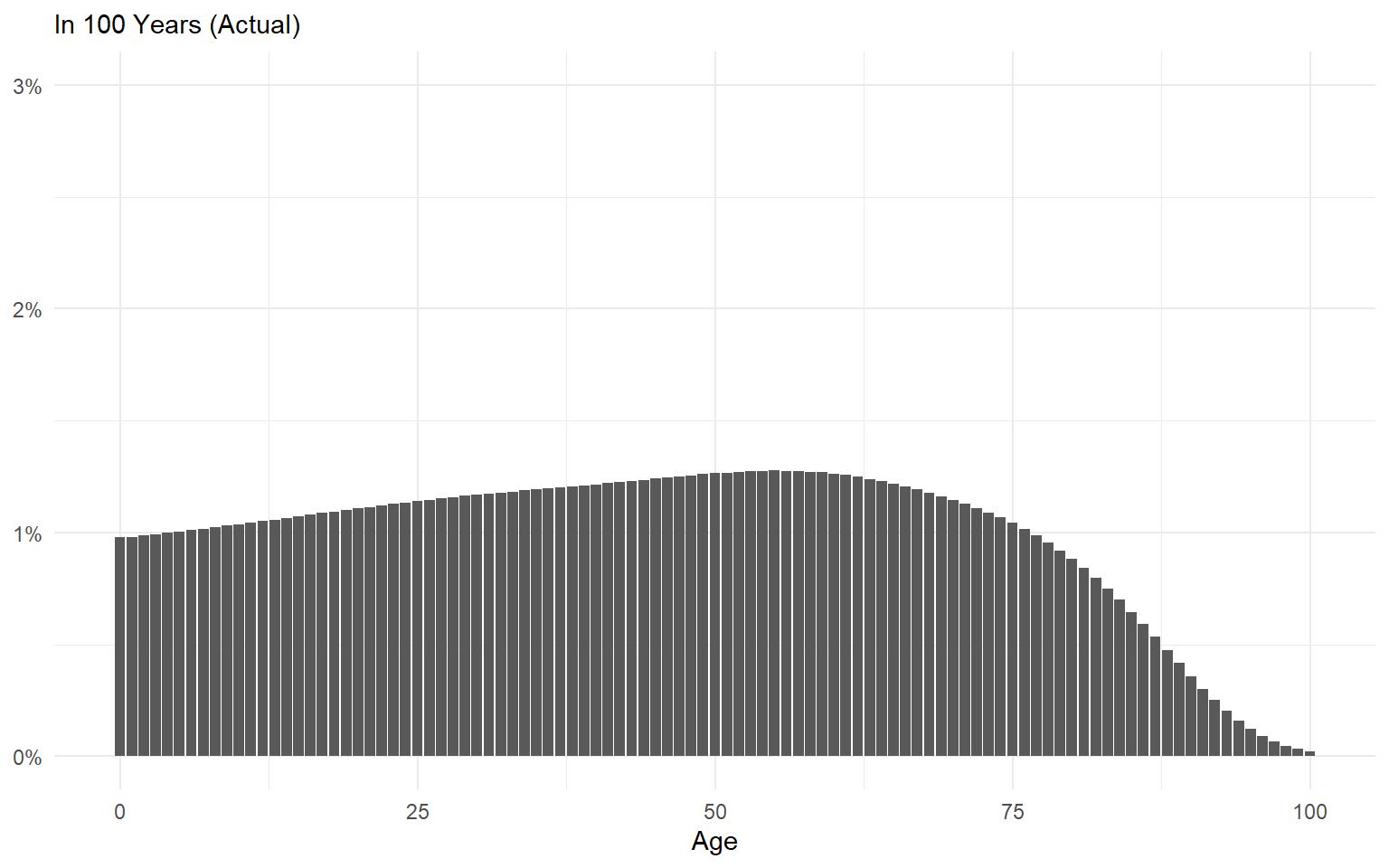
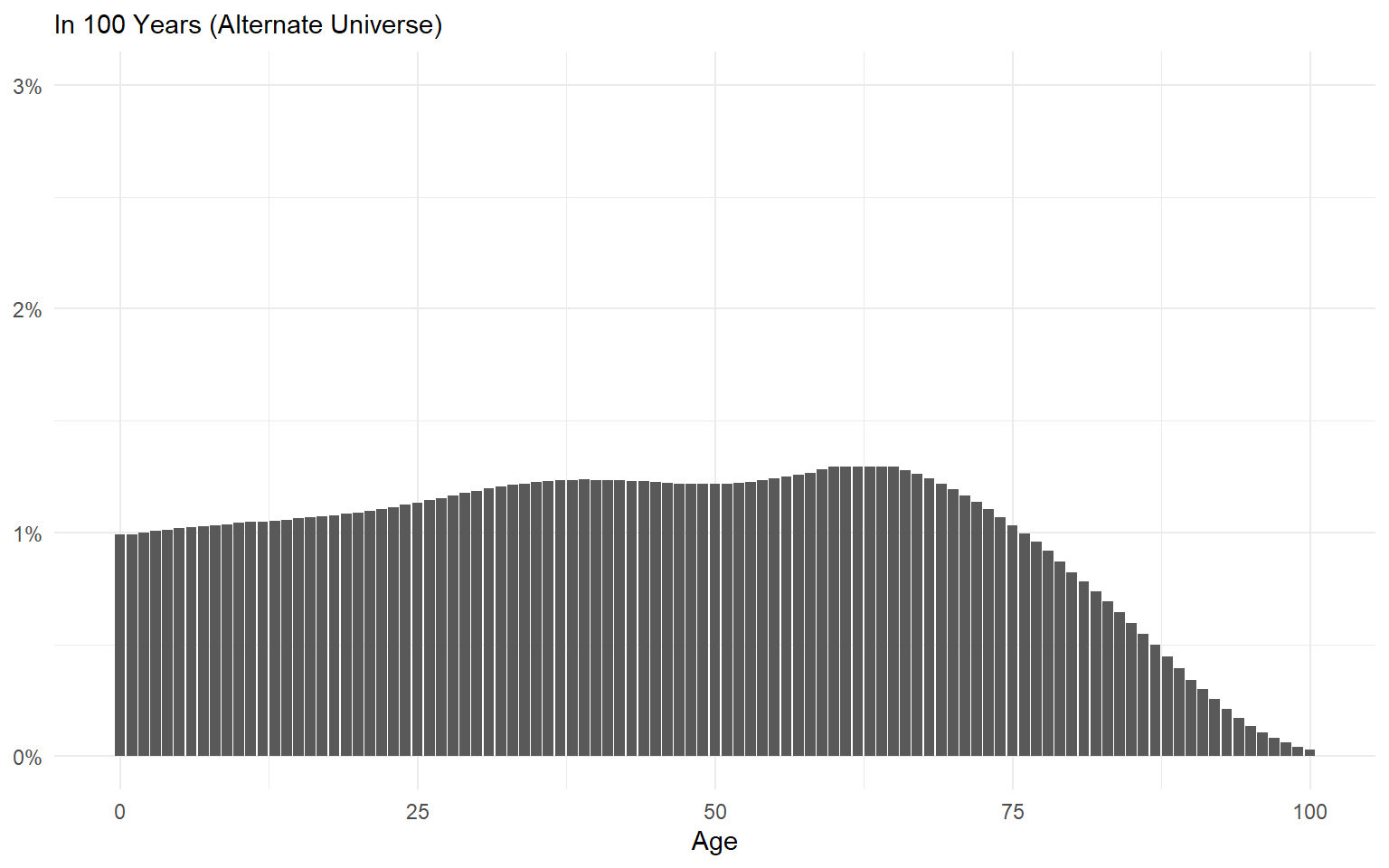
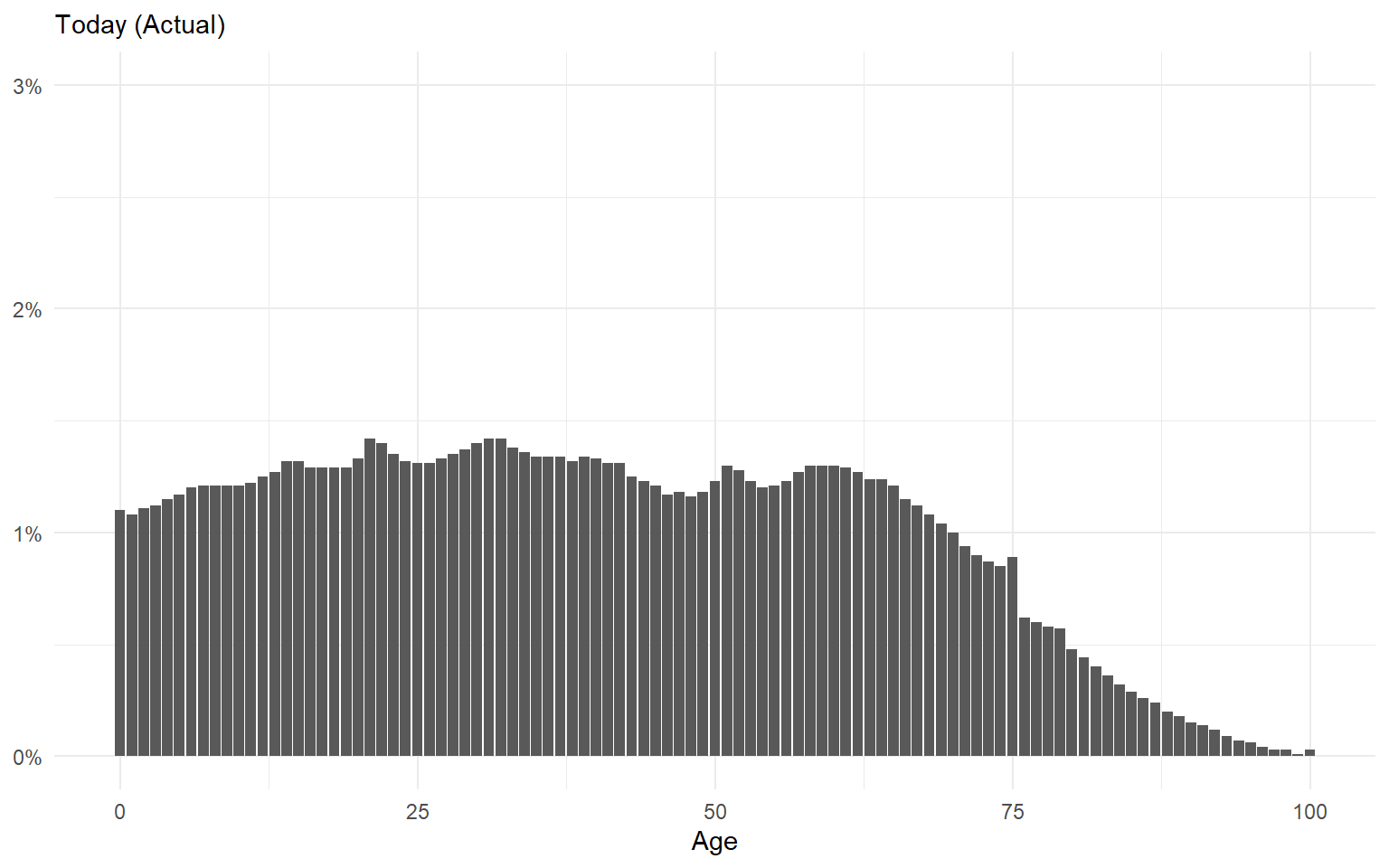
Ergodic Systems Aren’t Path Dependent
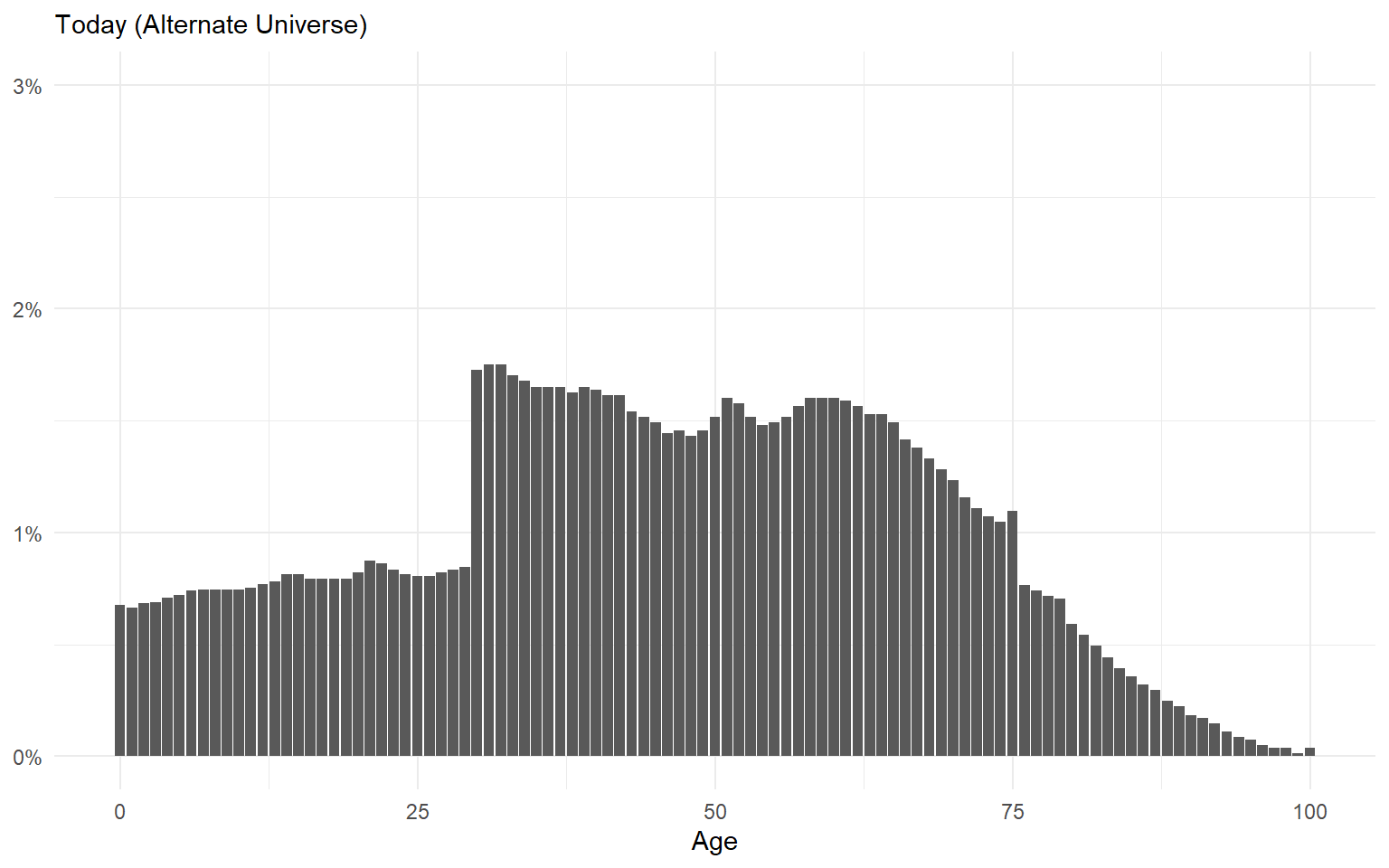
Ergodic Systems Aren’t Path Dependent
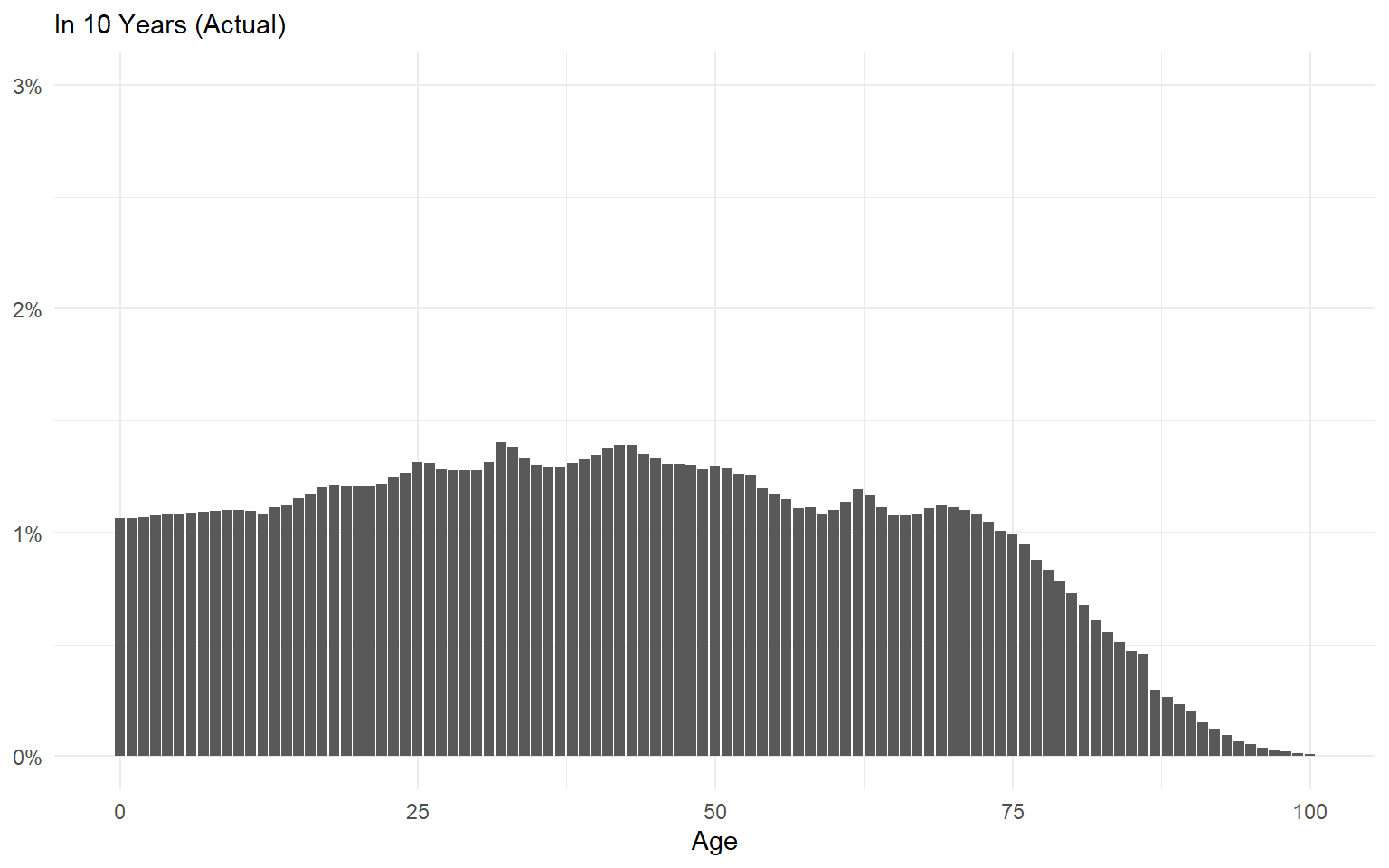
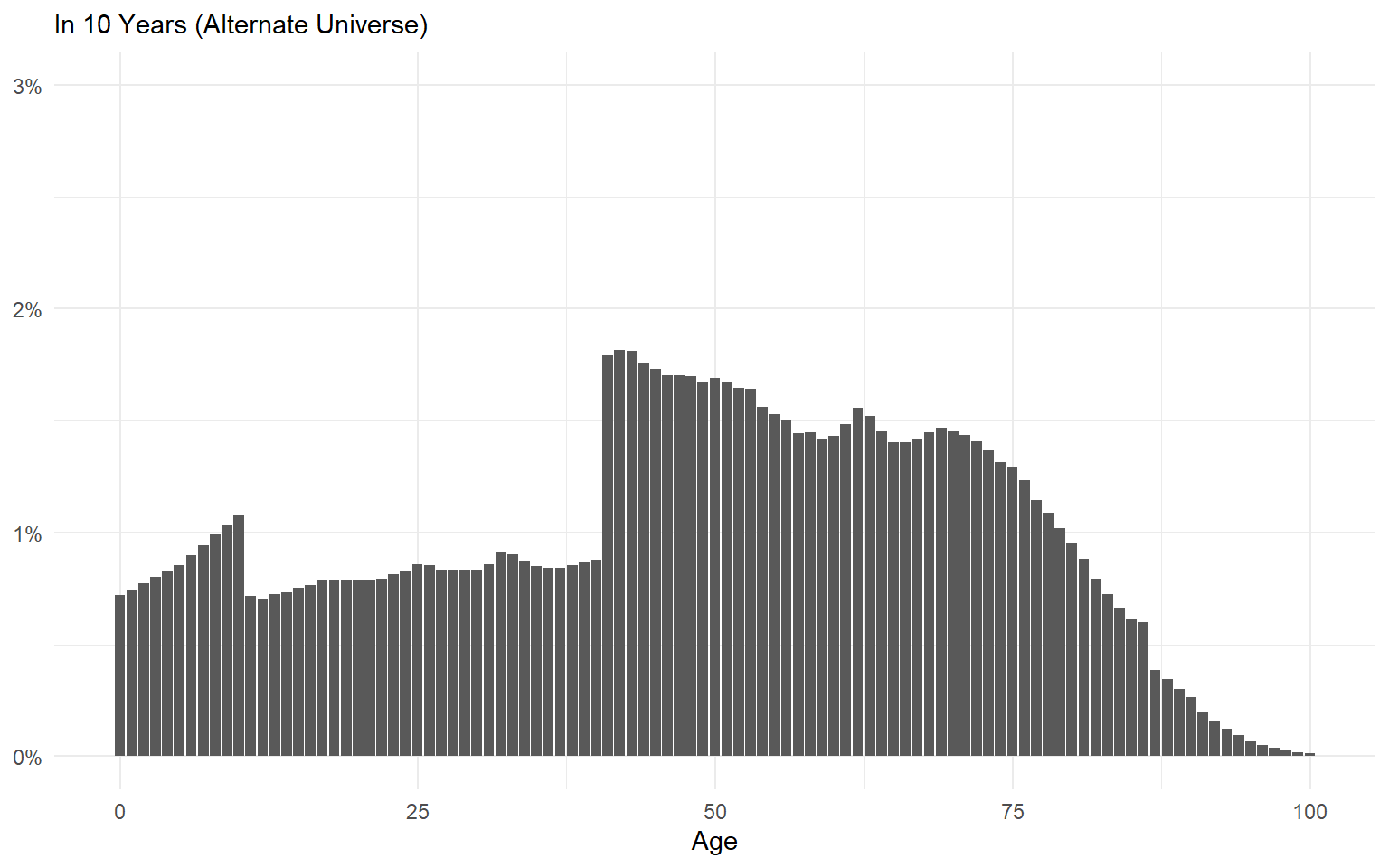
Ergodic Systems Aren’t Path Dependent
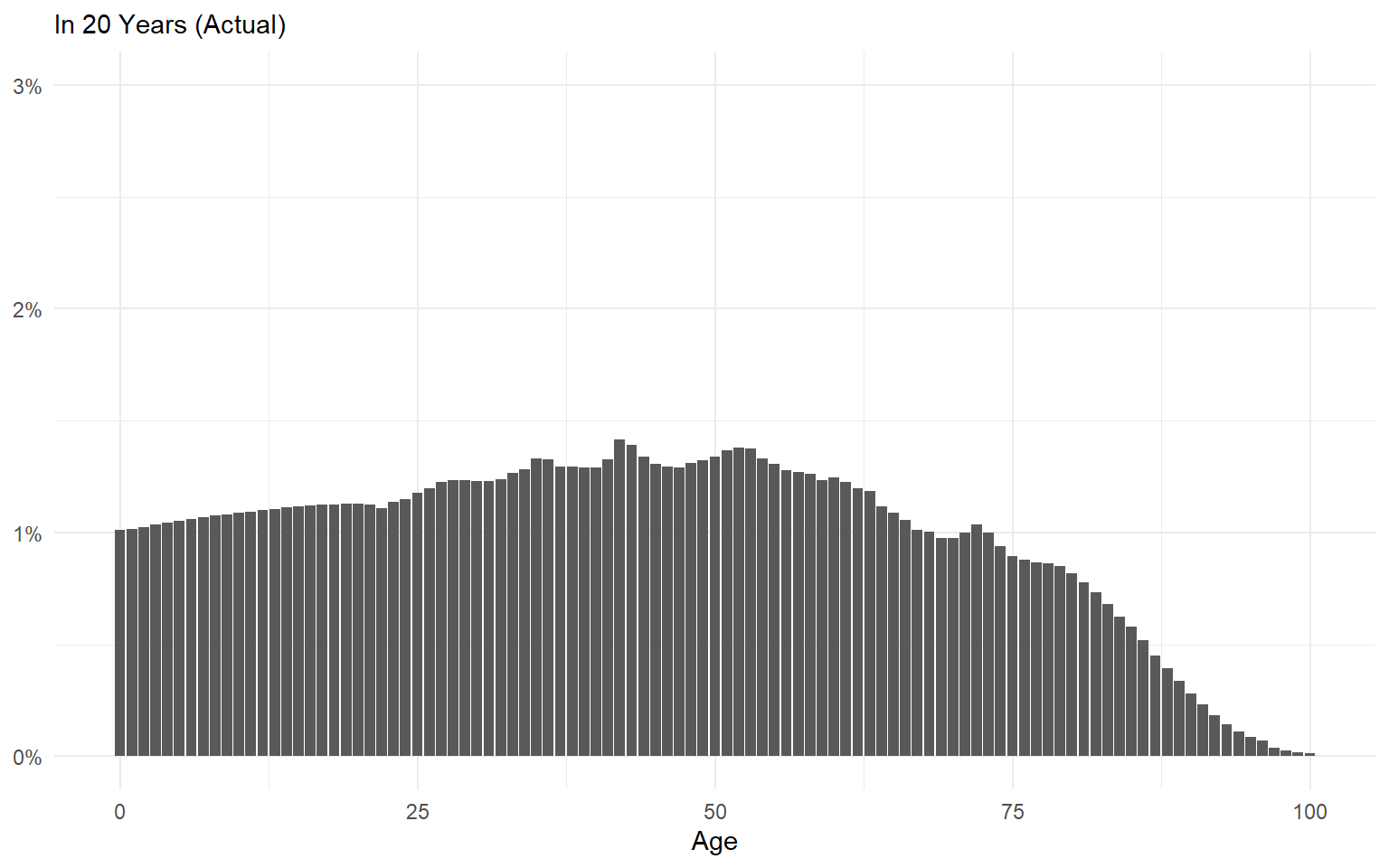
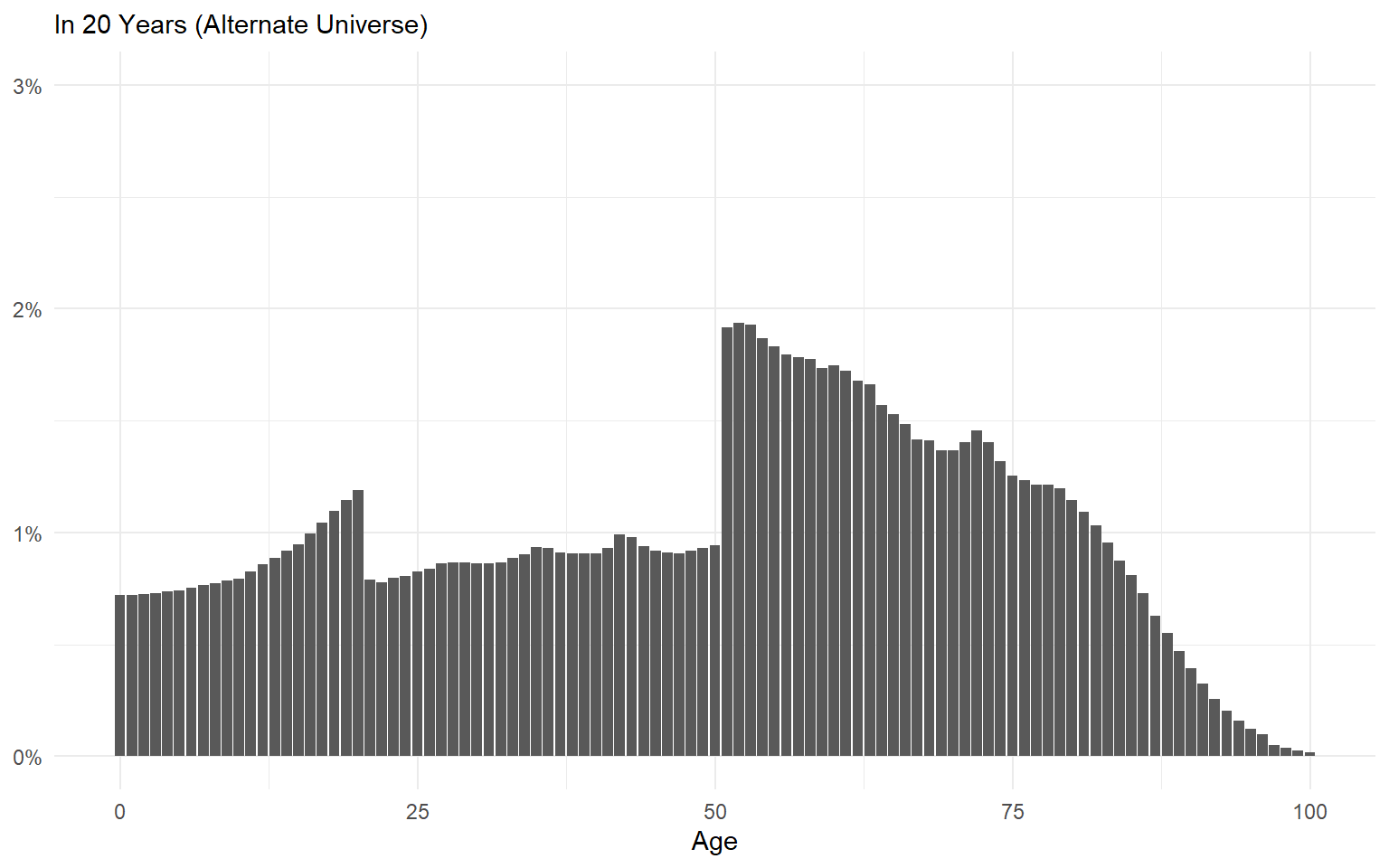
Ergodic Systems Aren’t Path Dependent
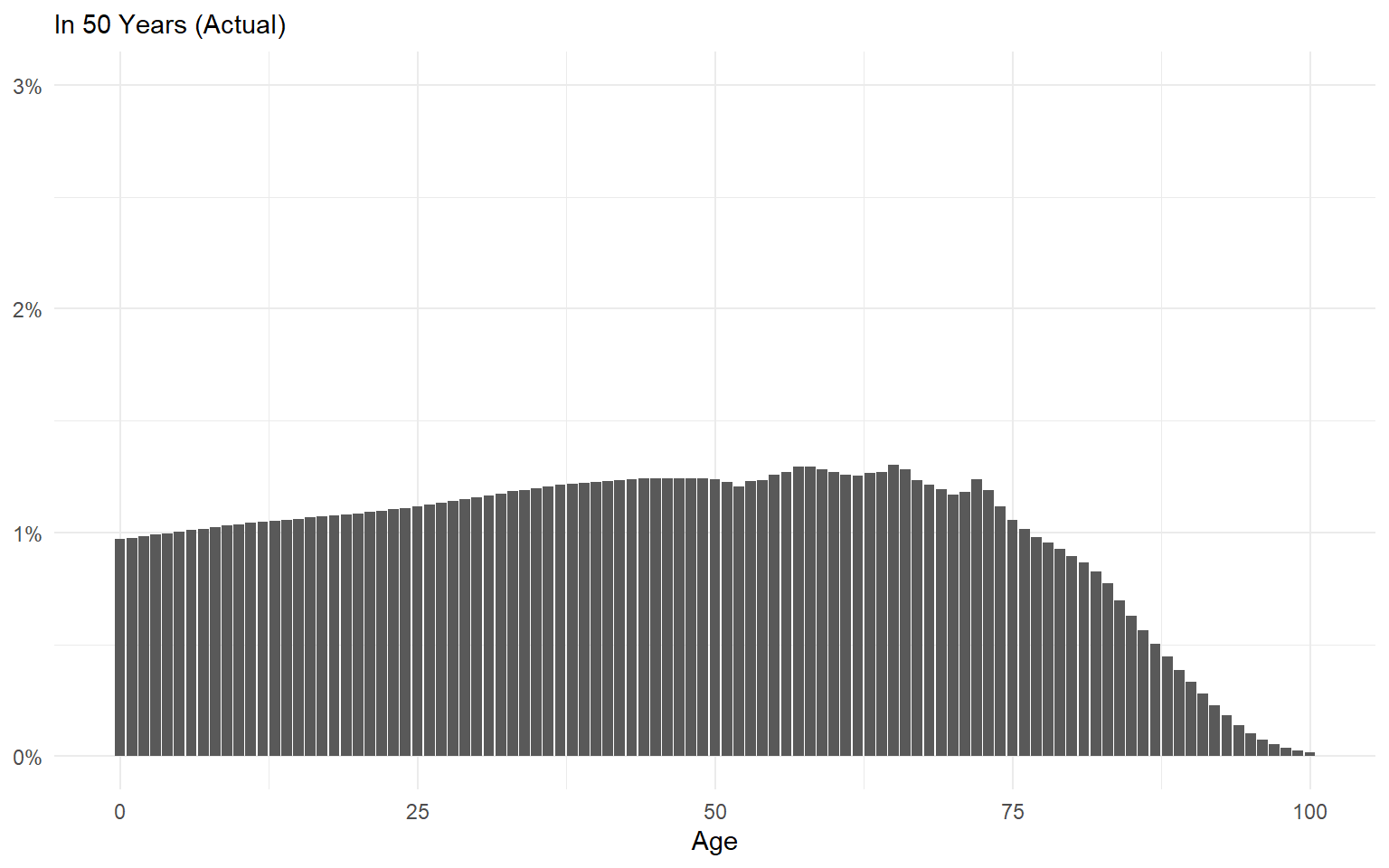
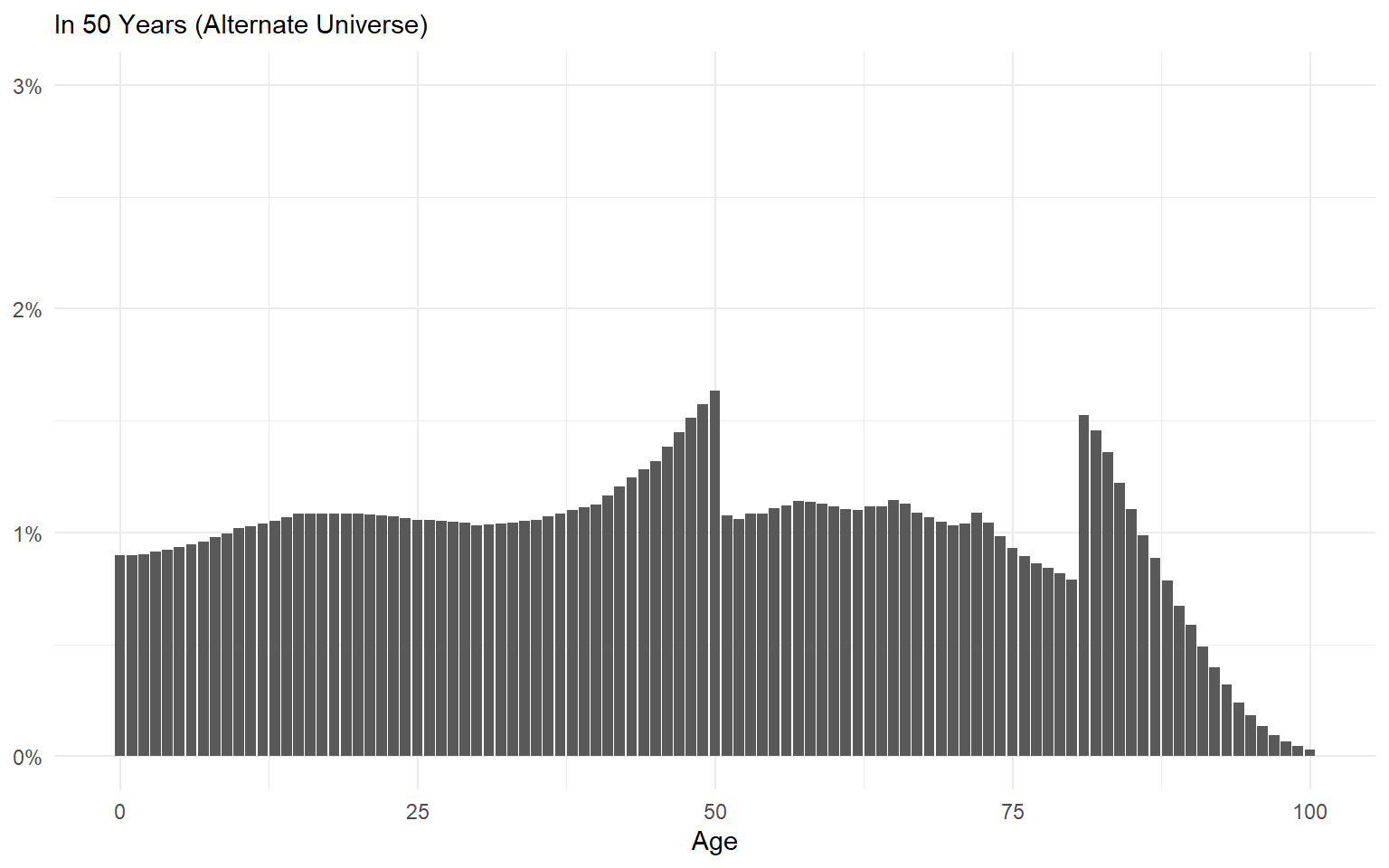
Ergodic Systems Aren’t Path Dependent
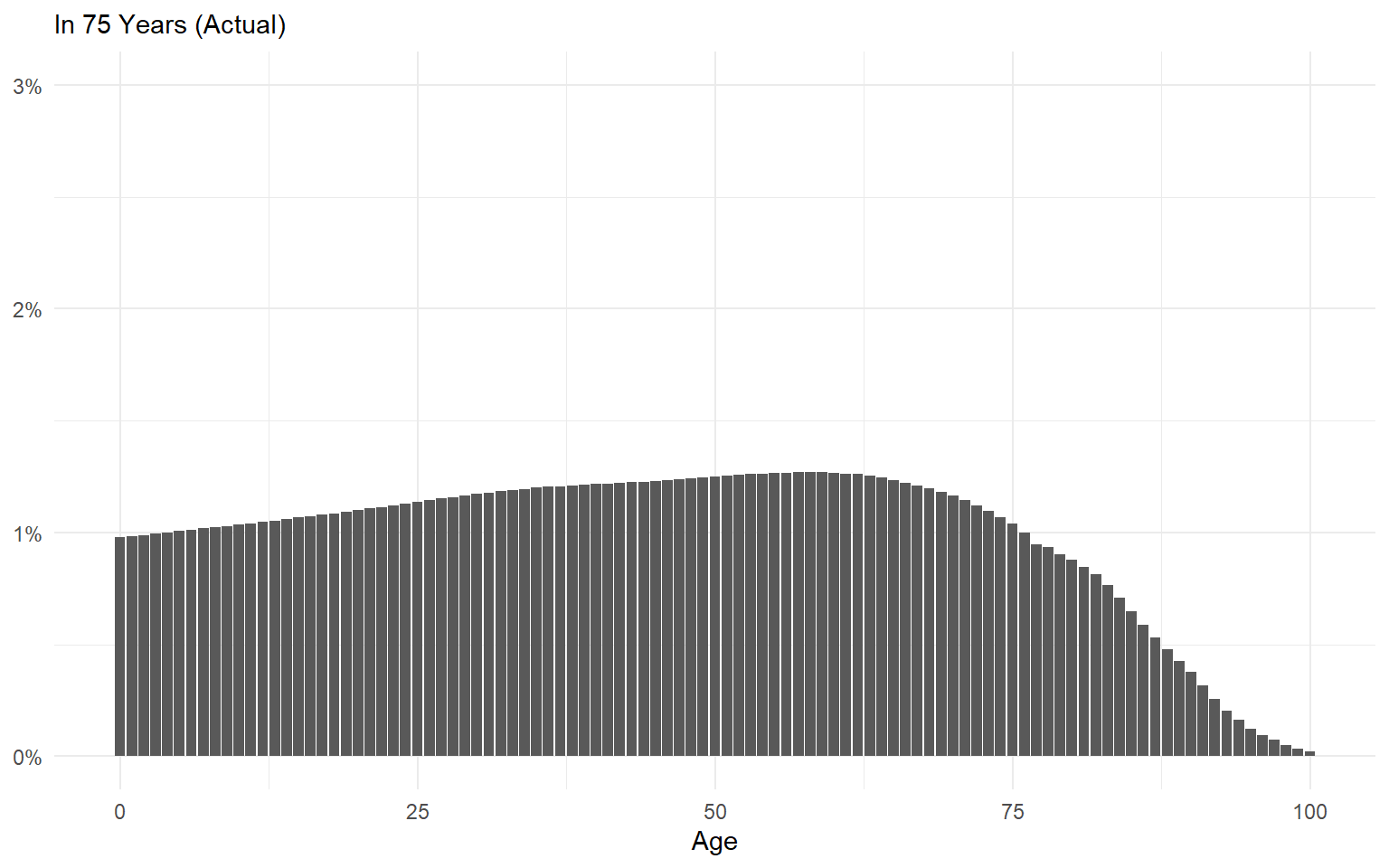
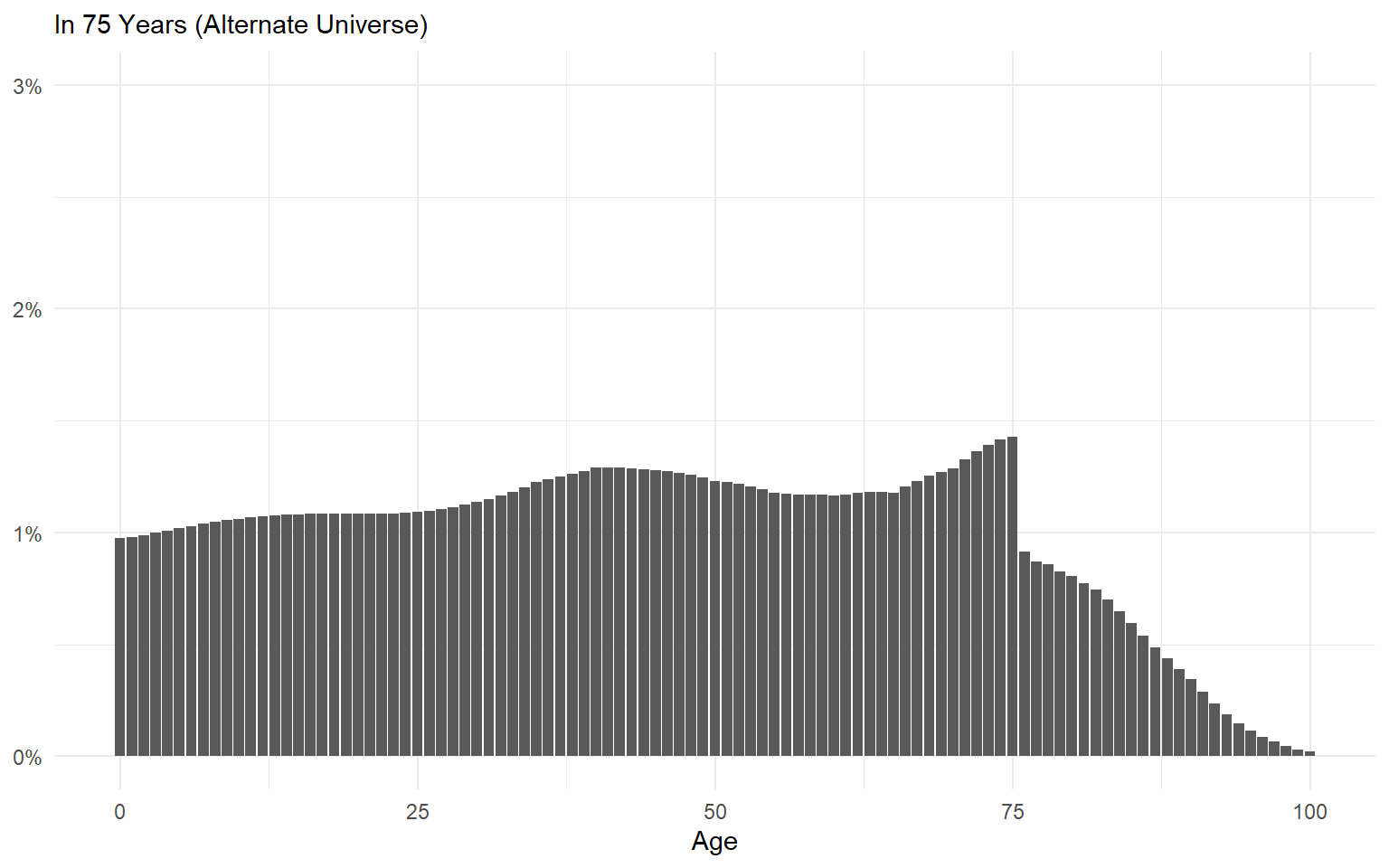
Ergodic Systems Aren’t Path Dependent