The Density Divide
POLS 4641: The Science of Cities
Warmup
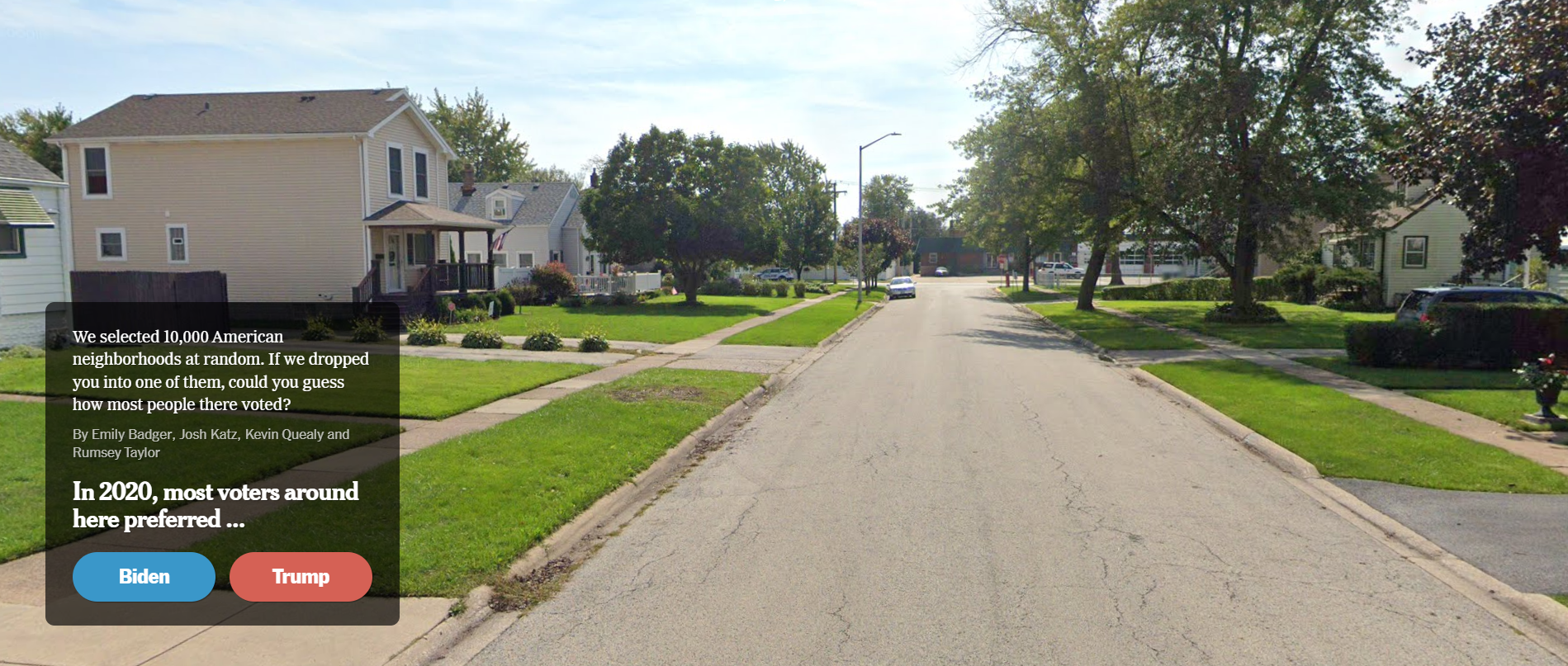
The Density Divide
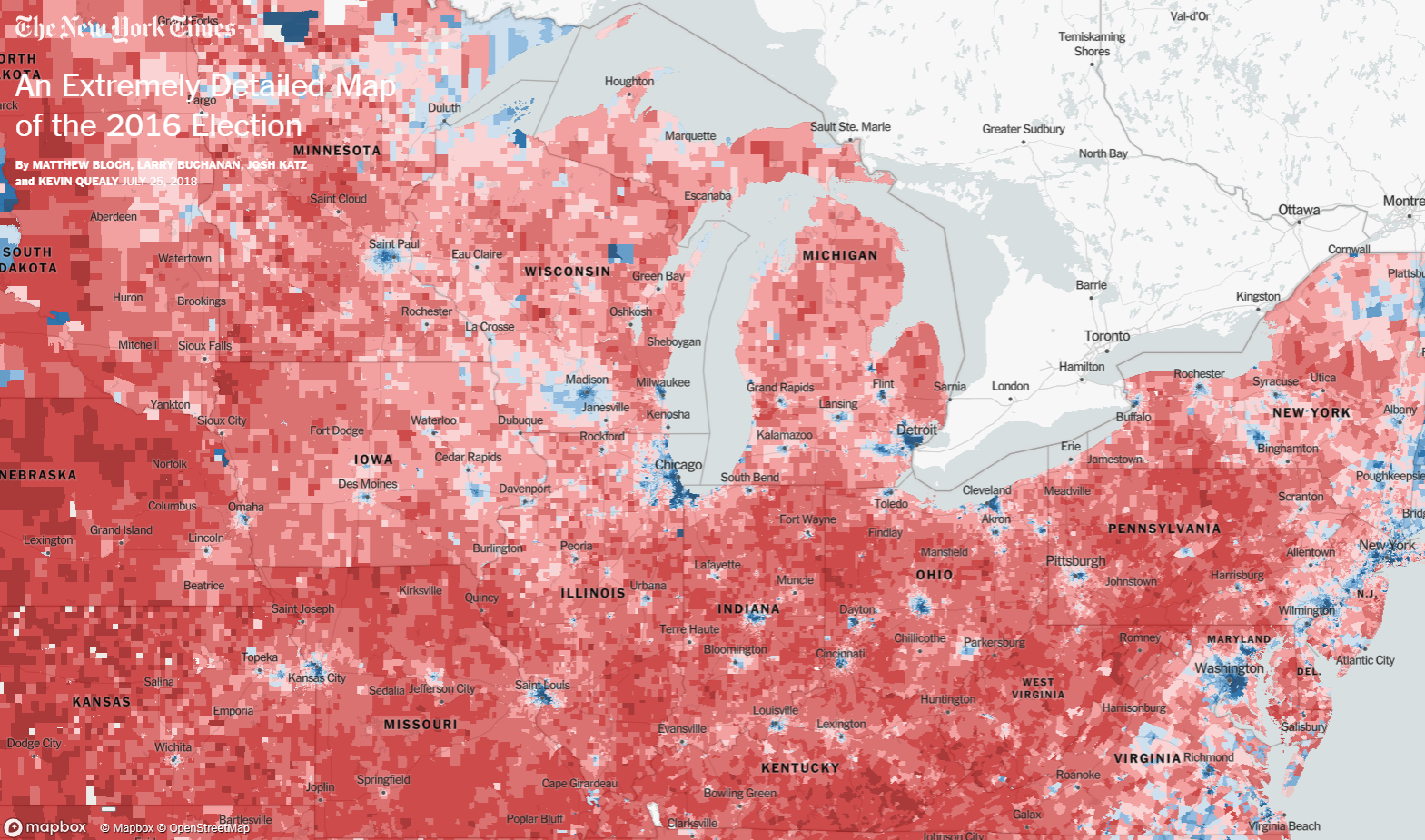
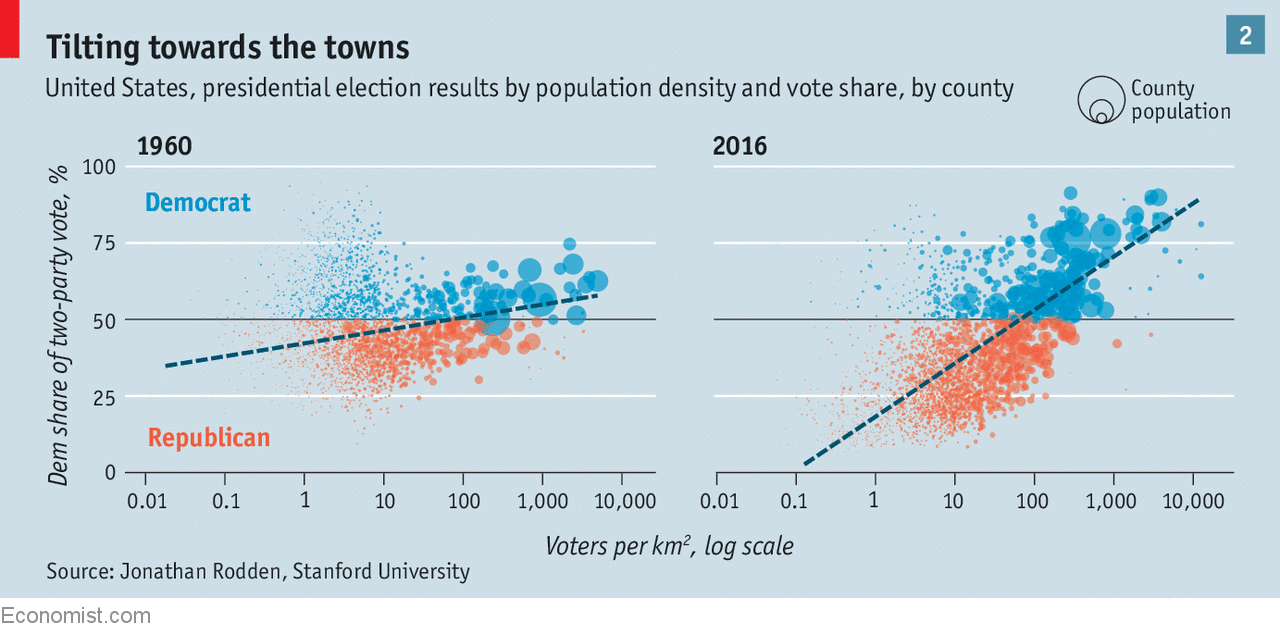
The Density Divide
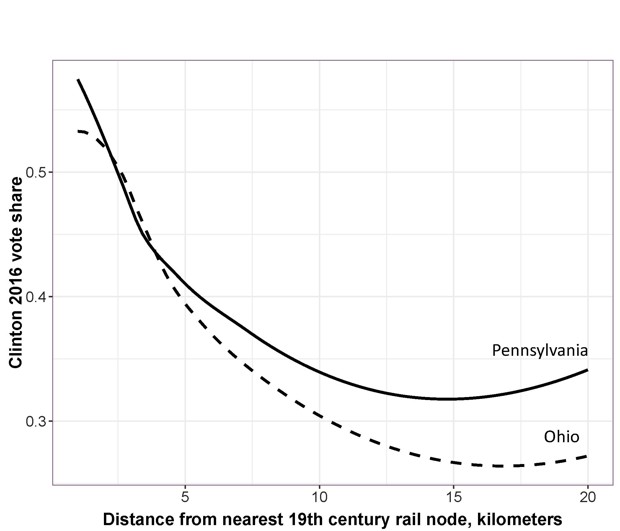
Theory 1: Path Dependence
- Democrats today tend to cluster near 19th century rail nodes, where the labor movement was strongest (Rodden 2019).
- Across industrialized democracies, labor parties are strongest in the places with the greatest historical concentration of manufacturing.
- Not necessarily the places with the most manufacturing today!
Theory 2: Selective Migration
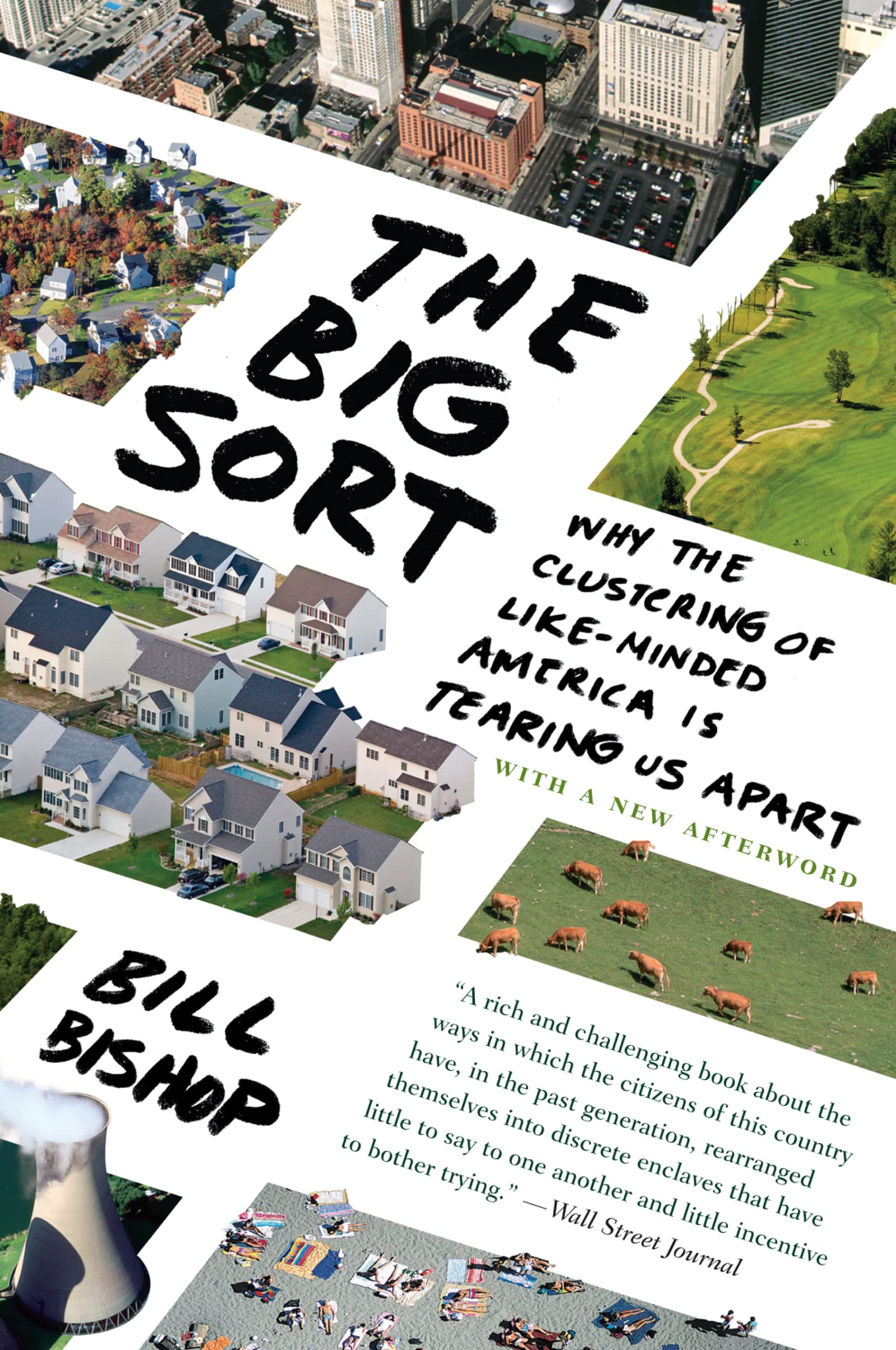
- People prefer to live near like-minded neighbors (Bishop 2009).
Theory 2: Selective Migration
People prefer to live near like-minded neighbors (Bishop 2009).
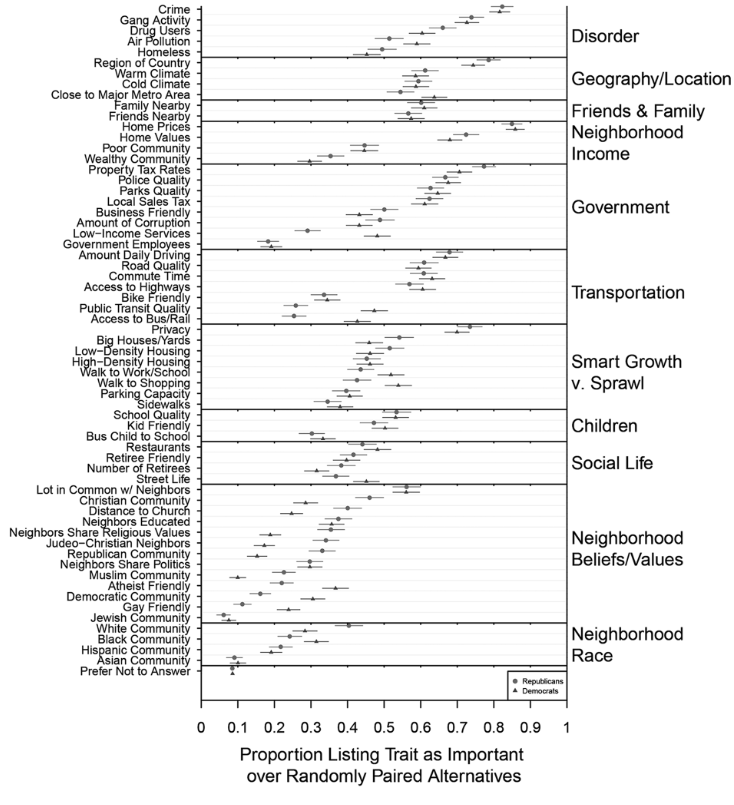
In practice, however, we see little evidence that partisanship is a strong predictor of neighborhood choice (Mummolo and Nall 2017).
Theory 2: Selective Migration
People prefer to live near like-minded neighbors (Bishop 2009).
In practice, however, we see little evidence that partisanship is a strong predictor of neighborhood choice (Mummolo and Nall 2017).
How strong of a preference for similar neighbors is necessary to produce sorting? According to Schelling (1971), surprisingly little!

Theory 2: Selective Migration
People prefer to live near like-minded neighbors (Bishop 2009).
In practice, however, we see little evidence that partisanship is a strong predictor of neighborhood choice (Mummolo and Nall 2017).
How strong of a preference for similar neighbors is necessary to produce sorting? According to Schelling (1971), surprisingly little!
At any rate, political scientists are generally skeptical that geographic sorting has increased in recent decades (Abrams and Fiorina 2012).

Theory 3: Residential Segregation
- Perhaps we don’t consciously sort ourselves by party, but we sort by things that are strongly correlated with party.
- Race
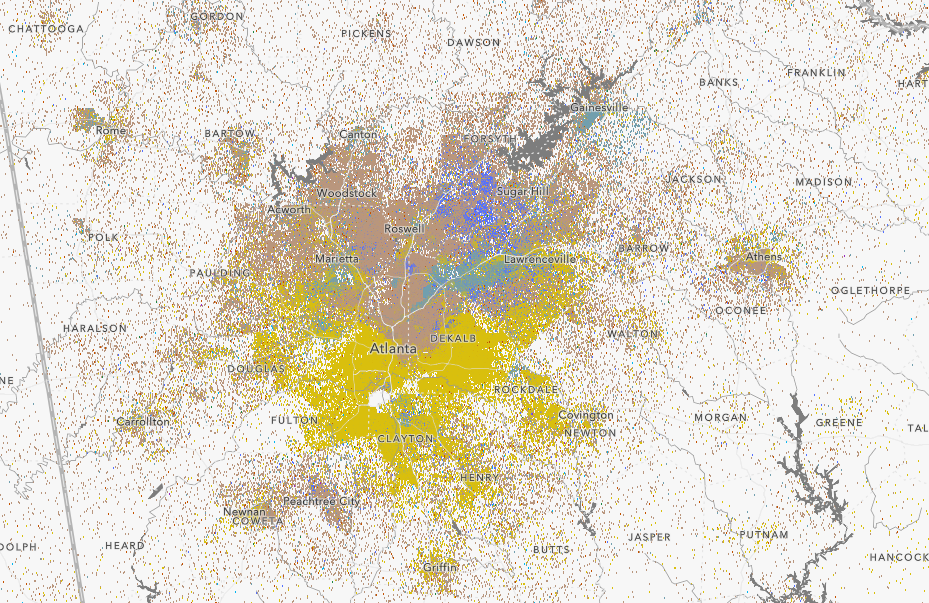
Theory 3: Residential Segregation
- Perhaps we don’t consciously sort ourselves by party, but we sort by things that are strongly correlated with party.
- Race
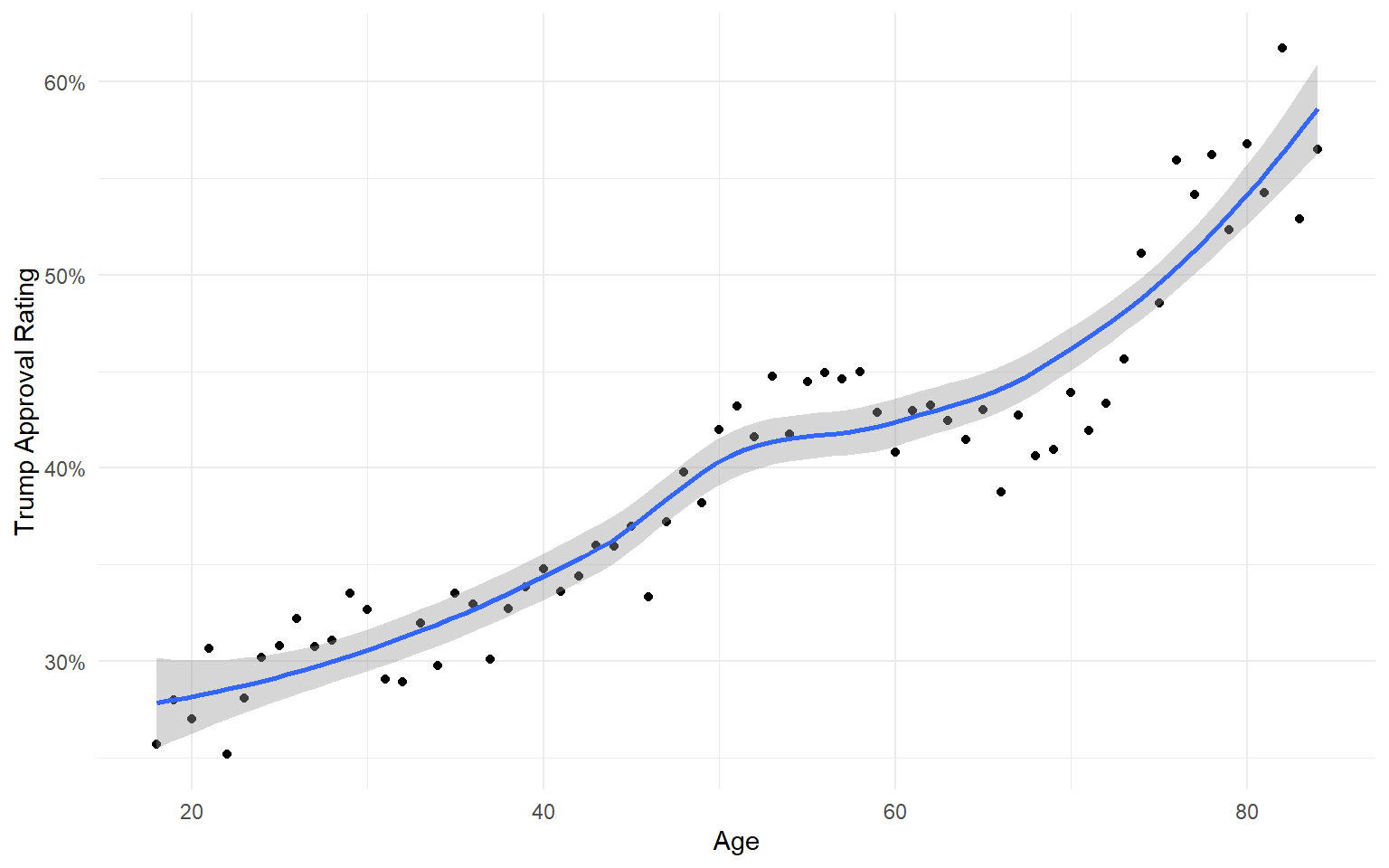
- Age
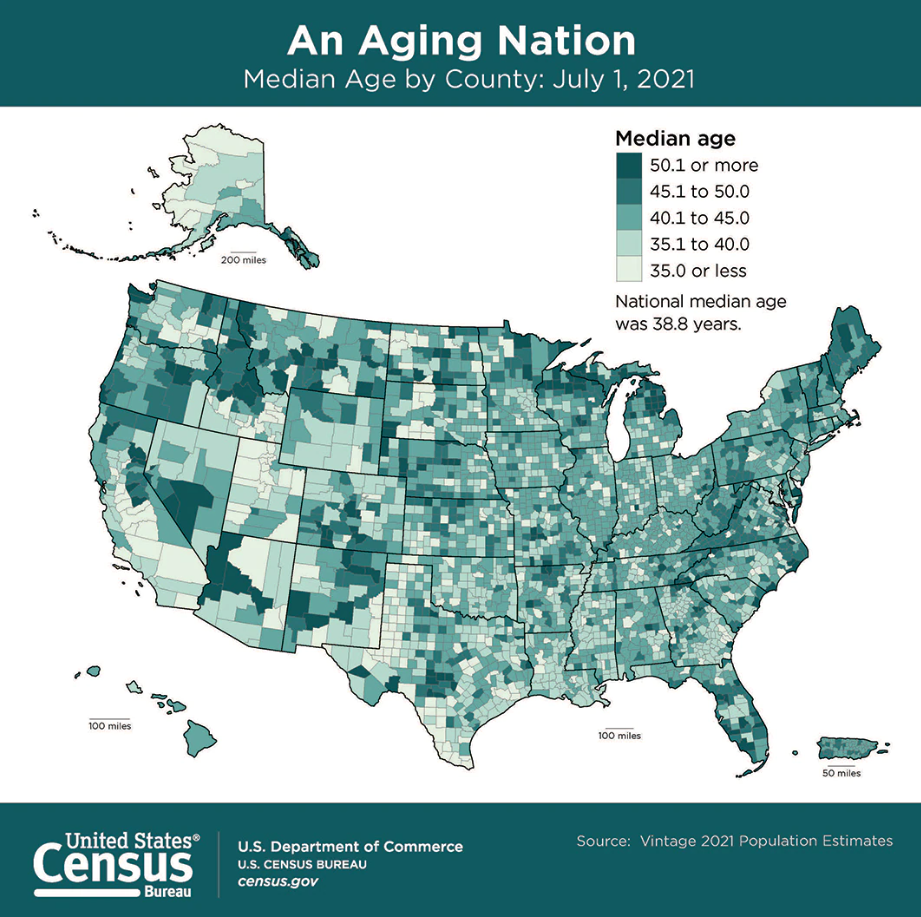
Theory 3: Residential Segregation
- Perhaps we don’t consciously sort ourselves by party, but we sort by things that are strongly correlated with party.
- Race
- Age
- Education
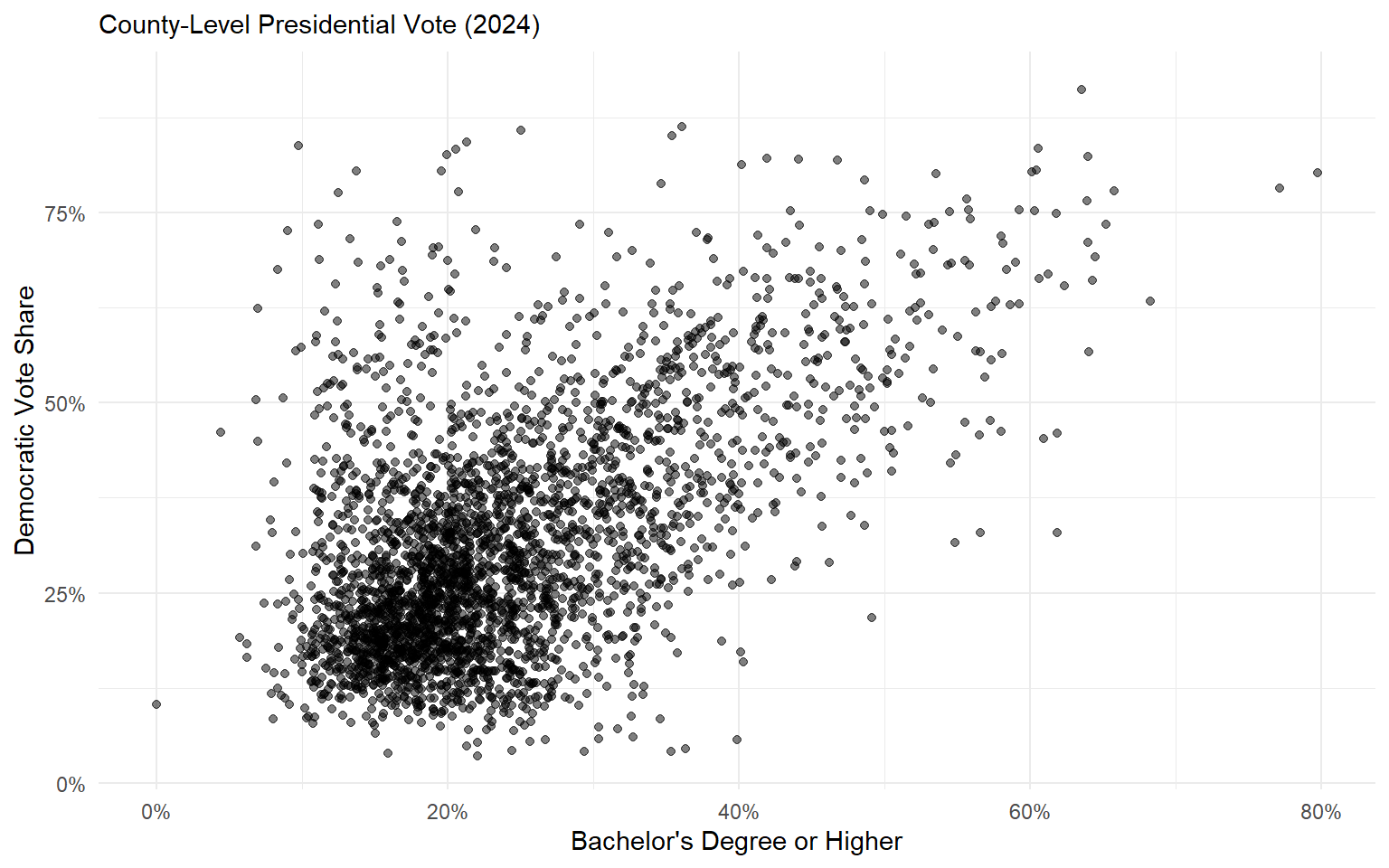
Theory 4: Party Polarization
The parties themselves are increasingly sorted by personality traits that predict residential choice.
For example, liberals tend to score higher on traits like “Openness To Experience”, and place a higher value on the diversity of people and amenities in denser cities (Jokela et al. 2015; Wilkinson 2019).
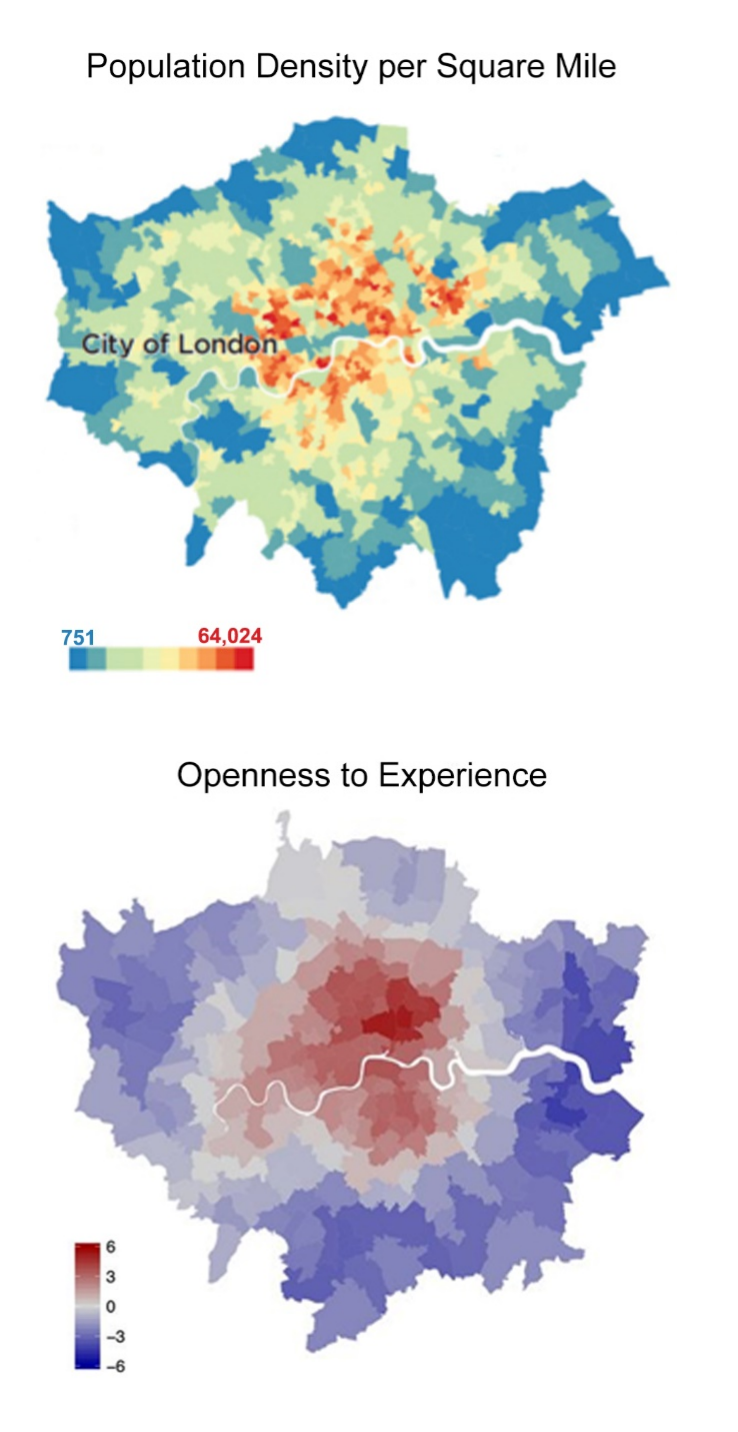
Theory 4: Party Polarization
The parties themselves are increasingly sorted by personality traits that predict residential choice.
For example, liberals tend to score higher on traits like “Openness To Experience”, and place a higher value on the diversity of people and amenities in denser cities (Jokela et al. 2015; Wilkinson 2019).
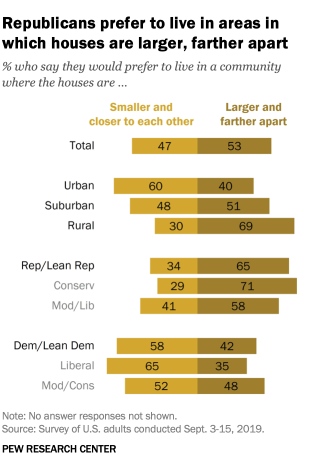
Conservatives, by comparison, tend to prefer neighborhoods with more space (Pew, 2019).
Why Does It Matter?
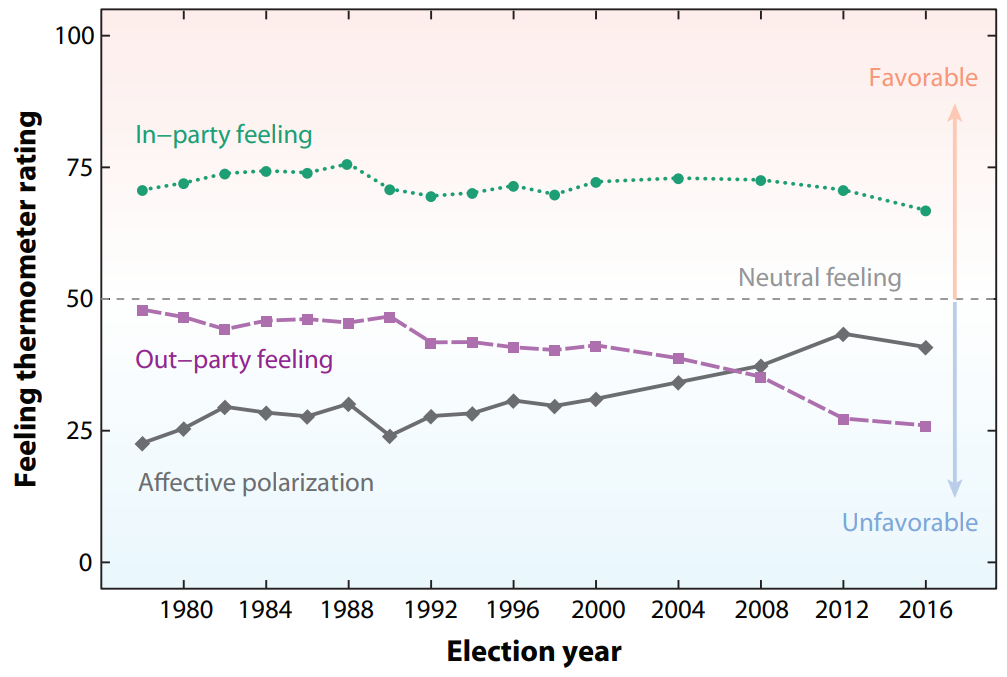
- Affective Polarization (positive feelings toward your own party, negative feelings toward the opposing party) may be exacerbated when you don’t have ordinary interactions with members of the opposing party (Iyengar et al. 2019).
Why Does It Matter?
Affective Polarization (positive feelings toward your own party, negative feelings toward the opposing party) may be exacerbated when you don’t have ordinary interactions with members of the opposing party (Iyengar et al. 2019).
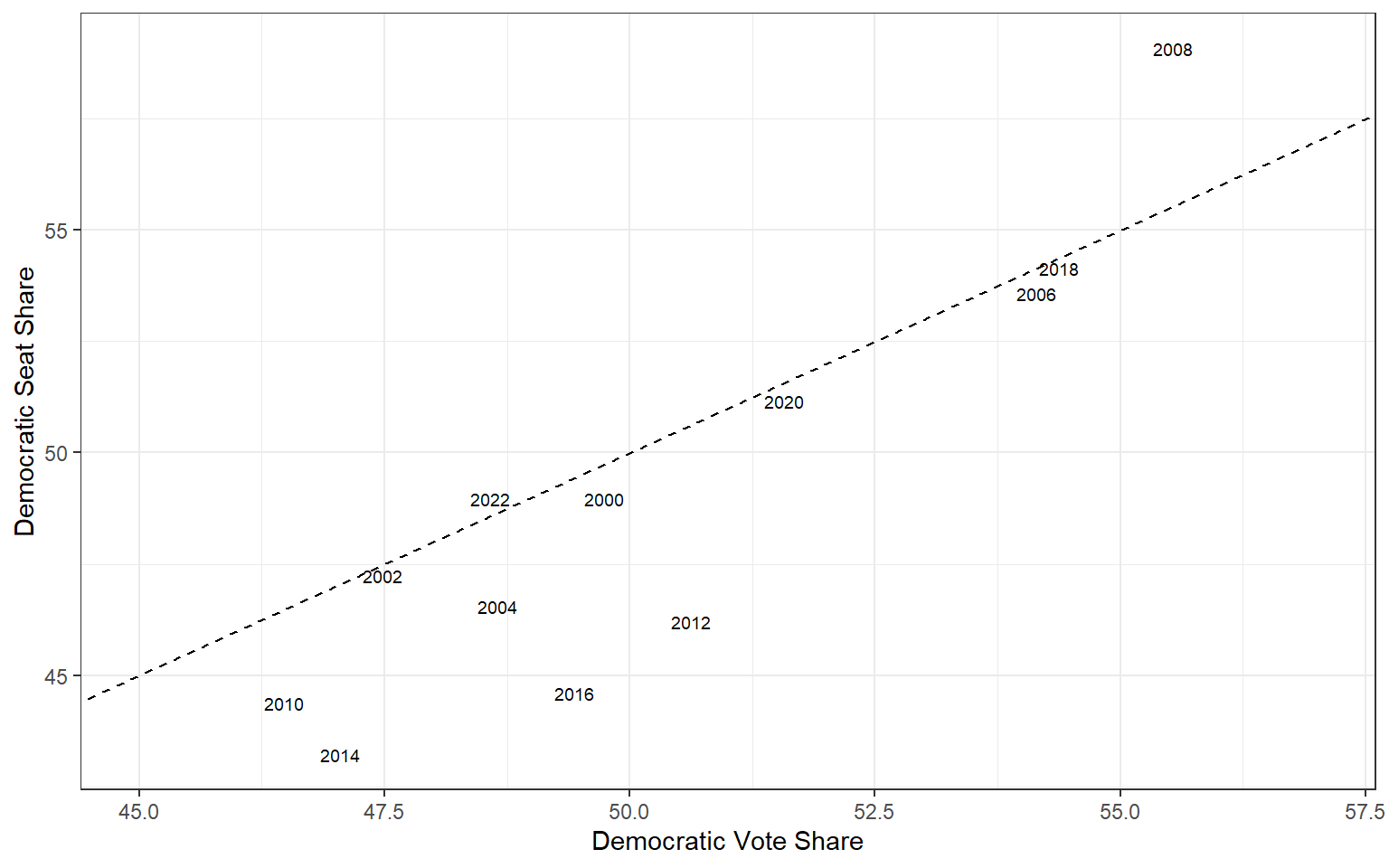
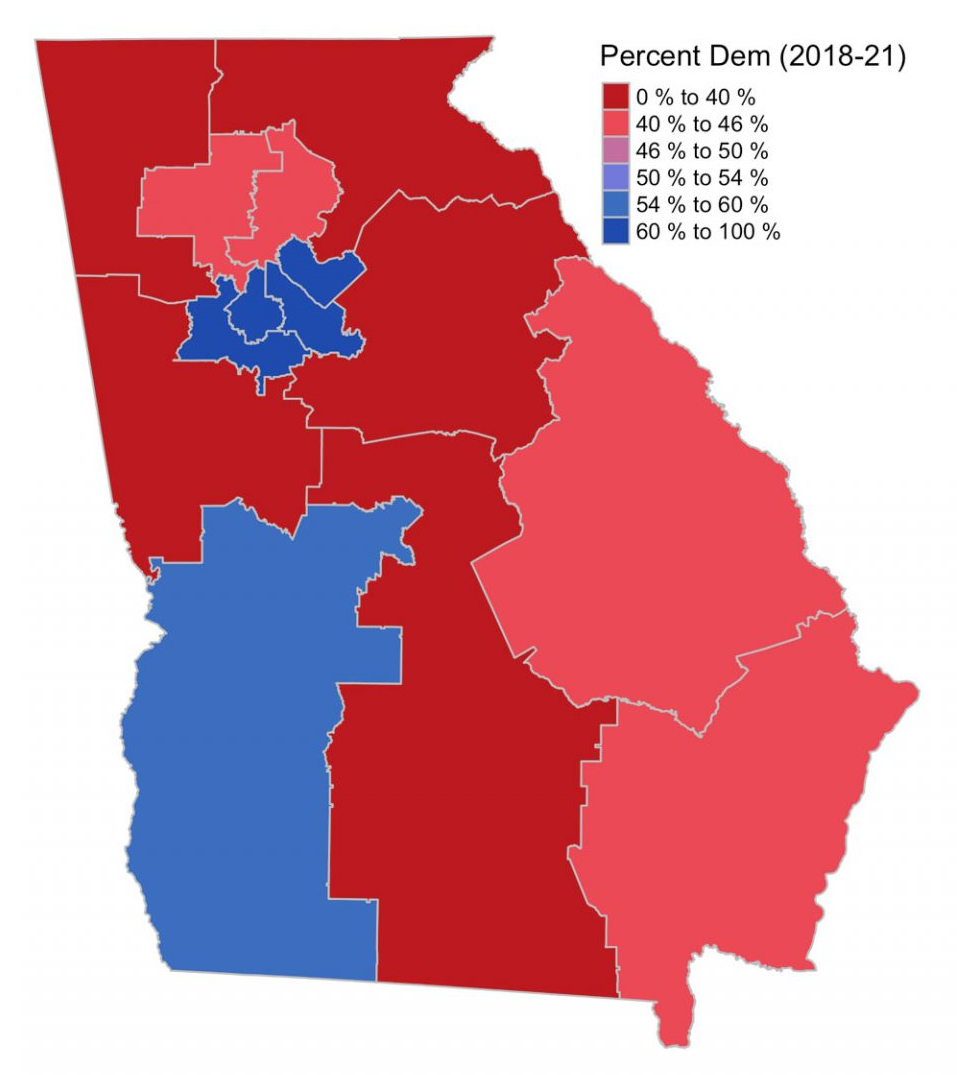
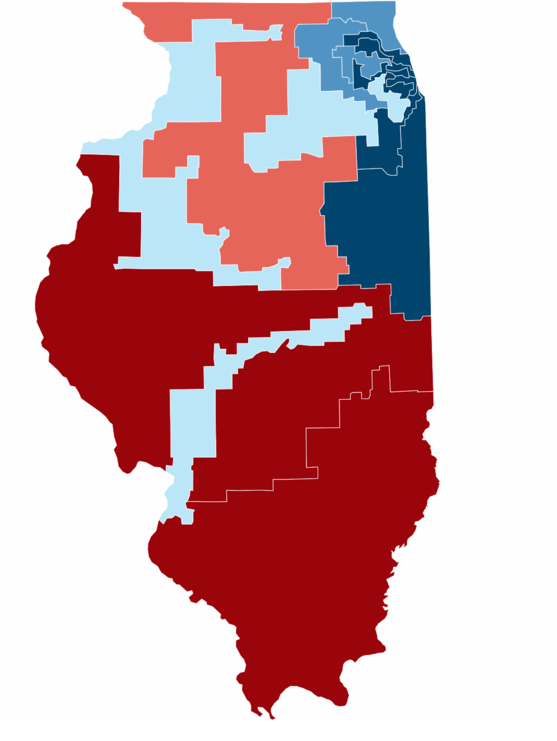
“Unintentional Gerrymandering”: With single-member districts, the party that is densely packed into cities has a structural disadvantage in electoral politics (Chen and Rodden 2013).

Why Does It Matter?
Why Does It Matter?
As a result, Democrats tend to win less than a proportional share of seats in the US House of Representatives.